
⚠️ Affiliate Disclosure: This post contains affiliate links. If you click and make a purchase, Lilly’s Corner may earn a small commission at no extra cost to you. We only recommend products we genuinely love and use on the trail. Thank you for supporting this blog! 🧡
Knowing how to pack a day hike backpack correctly is one of the most important skills any hiker can develop — and yet it’s something most beginners figure out through trial, error, and the occasional uncomfortable mile with a poorly balanced pack. A well-packed backpack makes your hike safer, more comfortable, and more enjoyable from the first step to the last. A poorly packed one can leave you with a sore back, missing critical gear, or worse — underprepared for an unexpected situation on the trail.
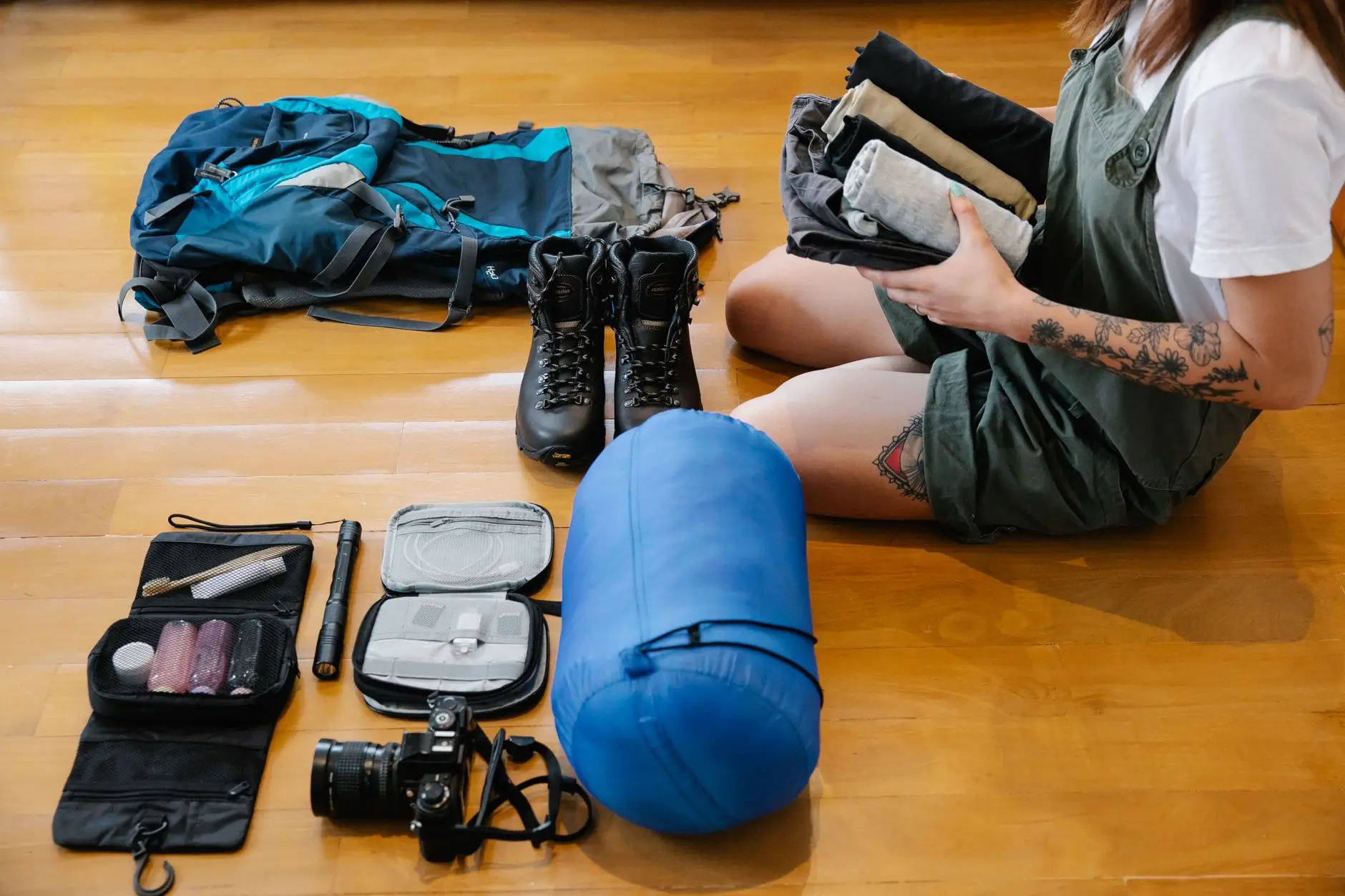
The good news is that packing a day hike backpack is completely learnable — and once you know the system, it becomes second nature. In this complete guide, we’re covering everything you need to know: what to pack, how to organize it, how to manage weight distribution, what the Ten Essentials are and why they matter, and our top Amazon picks for every item. Let’s build your perfect day hike kit! 🎒🥾🌿
Choosing the Right Day Hike Backpack
Before you can pack your backpack, you need the right one. Day hiking backpacks typically range from 15 to 35 liters in capacity — and the right size depends on the length and nature of your hike:
- 🟢 15-20 liters: Short hikes of 2-4 hours in mild conditions. Fits the essentials and a light snack.
- 🟡 20-25 liters: Half-day hikes of 4-6 hours. The most popular day hiking size — fits everything comfortably.
- 🔴 25-35 liters: Full day hikes of 6-10+ hours, technical terrain, or variable weather conditions where you need extra layers and gear.
Key features to look for in a day hiking backpack:
- Padded, adjustable shoulder straps and hip belt for weight transfer
- A back panel with ventilation channels to reduce sweating
- A hydration reservoir sleeve or external water bottle pockets
- Multiple compartments and organizational pockets
- Lightweight construction — every ounce of pack weight adds to your total load
- An integrated rain cover or rain cover pocket
🛒 Top day hiking backpack picks:
- 20-25L day hiking backpack with hip belt — 👉 View on Amazon ↗
- Hydration pack with 2L reservoir included — 👉 View on Amazon ↗
- Lightweight packable day pack for travel hiking — 👉 View on Amazon ↗
The Ten Essentials — Never Hike Without These 🎒
The Ten Essentials is the time-tested framework for day hike preparedness developed by The Mountaineers. These are the non-negotiable items that every hiker should carry on every hike — the things that keep you safe when conditions change unexpectedly:
1. 🗺️ Navigation
Always carry a trail map and know how to use it — don’t rely solely on your phone’s GPS, which can lose signal or run out of battery. A downloaded offline map on AllTrails or Gaia GPS is a smart backup, but a physical map is the ultimate backup that never runs out of battery.
- Waterproof trail map case — 👉 View on Amazon ↗
- Baseplate compass for trail navigation — 👉 View on Amazon ↗
2. ☀️ Sun Protection
UV exposure is dramatically stronger at altitude and on open, exposed trails. Sun protection is non-negotiable on any hike longer than an hour.
- SPF 50+ sport sunscreen — 👉 View on Amazon ↗
- UV-blocking sport sunglasses — 👉 View on Amazon ↗
- Wide-brim sun hat — 👉 View on Amazon ↗
3. 🧥 Insulation
Weather changes fast in the mountains and wilderness. Always carry at least one extra layer beyond what you’re wearing — even on warm summer days. A lightweight packable down jacket or a midweight fleece takes up minimal space and can be genuinely life-saving if conditions deteriorate.
- Packable lightweight down jacket for day hikes — 👉 View on Amazon ↗
4. 🔦 Illumination
Even on day hikes, carry a headlamp. Hikes take longer than expected, trails look completely different in the dark, and a headlamp weighs almost nothing. Always have fresh batteries or a fully charged headlamp in your pack.
- Lightweight rechargeable headlamp — 👉 View on Amazon ↗
5. 🩹 First Aid Kit
A compact trail first aid kit covers the most common hiking injuries — blisters, cuts, twisted ankles, insect stings, and minor burns. Customize yours to your specific needs and add any personal medications you require.
- Compact hiking first aid kit — 👉 View on Amazon ↗
- Moleskin blister prevention pads — 👉 View on Amazon ↗
6. 🔥 Fire Starting
A lighter and waterproof matches in a sealed bag take up virtually no space and weigh almost nothing. In a genuine survival situation, the ability to start a fire for warmth and signaling can be the difference between life and death.
7. 🔧 Repair Tools & Knife
A small multi-tool or folding knife handles countless trail situations — cutting medical tape, repairing gear, preparing food, and emergency use. Add duct tape wrapped around a water bottle and a few cable ties for gear repair.
- Compact multi-tool for hiking — 👉 View on Amazon ↗
8. 🍎 Nutrition
Always bring more food than you think you need — at least 200 extra calories beyond your planned intake. Trail mix, energy bars, jerky, nut butter packets, and dried fruit are all excellent high-calorie, lightweight options that don’t require refrigeration.
- High-energy trail mix variety pack — 👉 View on Amazon ↗
- Protein energy bars for hiking — 👉 View on Amazon ↗
9. 💧 Hydration
The most common trail emergency is dehydration. The general rule is 500ml of water per hour of active hiking — more in heat, at altitude, or during strenuous climbs. Always carry more than you think you need, and bring a water filter or purification tablets for longer trails with water sources.
- Insulated hiking water bottle — 👉 View on Amazon ↗
- Hydration reservoir (2-3L bladder) — 👉 View on Amazon ↗
- Compact water filter for trail water — 👉 View on Amazon ↗
10. 🆘 Emergency Shelter
A lightweight emergency bivy or a mylar emergency blanket takes up the space of a deck of cards, weighs just a few ounces, and can prevent hypothermia if you’re injured, lost, or caught out overnight unexpectedly. This is the one item you hope never to use but will never regret carrying.
- Emergency bivy bag for day hiking — 👉 View on Amazon ↗
- Mylar emergency blanket pack — 👉 View on Amazon ↗
Beyond the Ten Essentials — Additional Day Hike Gear 🎒
Once the Ten Essentials are covered, add these items based on your specific hike:
- 🧦 Merino wool hiking socks (always carry a spare pair) — 👉 View on Amazon ↗
- 🧴 Insect repellent for wooded or wetland trails — 👉 View on Amazon ↗
- 🌧️ Packable rain jacket — always in the pack regardless of forecast — 👉 View on Amazon ↗
- 🦺 Trekking poles for joint support on descents — 👉 View on Amazon ↗
- 📱 Portable power bank to keep devices charged — 👉 View on Amazon ↗
- 🐻 Bear spray in bear country — 👉 View on Amazon ↗
- 🗑️ Waste bags and Leave No Trace supplies — always pack out what you pack in
How to Pack Your Backpack — Weight Distribution & Organization 📦
What you pack matters — but how you pack it matters just as much. Proper weight distribution keeps your center of gravity optimal, reduces fatigue, and prevents back and shoulder pain on longer hikes. Here’s the system:
🔵 Bottom of Pack — Lightest & Least Accessible:
- Emergency bivy or emergency blanket
- Spare clothing layers
- Items you won’t need until camp or end of day
🟡 Middle of Pack — Heaviest Items Close to Your Back:
- Water reservoir (directly against your back in the sleeve)
- Food and snacks
- Heavier gear — this is the weight distribution sweet spot. Heavy items close to your spine and high in the pack keep your center of gravity stable
🔴 Top of Pack — Most Frequently Accessed:
- Rain jacket (easy access when weather changes)
- Snacks you’ll eat on the trail
- First aid kit
- Sunscreen and insect repellent
🟢 Hip Belt Pockets & Shoulder Strap Pockets:
- Phone and lip balm
- Trail snacks for quick access
- Bear spray (accessible instantly)
- Chapstick and small personal items
Weight Management — How Heavy Should Your Day Pack Be?
A fully loaded day hiking backpack should weigh no more than 10-15% of your body weight for comfortable all-day hiking. For most people this means a target packed weight of 8-15 lbs. Here’s how to manage pack weight:
- Choose lightweight gear: Every ounce adds up. Prioritize lightweight versions of your gear without sacrificing function or safety
- Pack only what you’ll actually use: Be ruthless. If you haven’t used it on the last three hikes, leave it home
- Use a kitchen scale: Weigh your packed bag before every significant hike to stay within your target weight
- Water is heavy — plan carefully: 1 liter of water weighs 2.2 lbs. Carry what you need based on trail length and water source availability
Complete Day Hike Packing Checklist ✅
Save or print this checklist before every hike:
Navigation & Safety:
- ☐ Trail map (downloaded offline + physical copy)
- ☐ Compass
- ☐ Fully charged phone
- ☐ Portable power bank
- ☐ Emergency whistle
- ☐ Satellite communicator (for remote trails)
Clothing & Sun Protection:
- ☐ Moisture-wicking base layer
- ☐ Insulating mid layer
- ☐ Packable rain jacket
- ☐ Hiking pants or shorts
- ☐ Merino wool hiking socks (+ spare pair)
- ☐ Sun hat and sunglasses
- ☐ SPF 50+ sunscreen
- ☐ Gloves and beanie (cool weather/mountain)
Food & Water:
- ☐ Water (500ml per hour minimum)
- ☐ Water filter or purification tablets
- ☐ Trail snacks + extra emergency food
- ☐ Lunch for full-day hikes
Safety & Emergency:
- ☐ First aid kit
- ☐ Headlamp with fresh batteries
- ☐ Emergency blanket or bivy
- ☐ Lighter and waterproof matches
- ☐ Multi-tool or knife
- ☐ Bear spray (bear country)
- ☐ Insect repellent
Extras:
- ☐ Trekking poles
- ☐ Camera or GoPro
- ☐ Waste bags (Leave No Trace)
- ☐ Hand sanitizer and toilet paper
- ☐ ID and emergency contact info
Final Thoughts 🌄
Knowing how to pack a day hike backpack correctly is what separates a confident, prepared hiker from one who’s hoping everything goes according to plan. Use this checklist before every hike, build your system gradually, and trust that the preparation you do before the trailhead is what makes the hike itself pure, uninterrupted joy.
Pack smart, hike safe, and enjoy every single step. The trail is waiting! 🎒🥾🧡
👉 Shop All Day Hiking Essentials on Amazon ↗
🥾 New to hiking? Read: Best Beginner Hiking Trails in the USA for First-Timers — find your perfect first trail to put your new pack to the test!
🧥 Not sure what to wear? Read: How to Layer Clothing for Hiking — The Complete Layering System Guide — dress smart for every trail and every season!
What’s the one item you never hike without? Drop it in the comments — we’d love to hear from you! 🎒🥾
Leave a Reply