
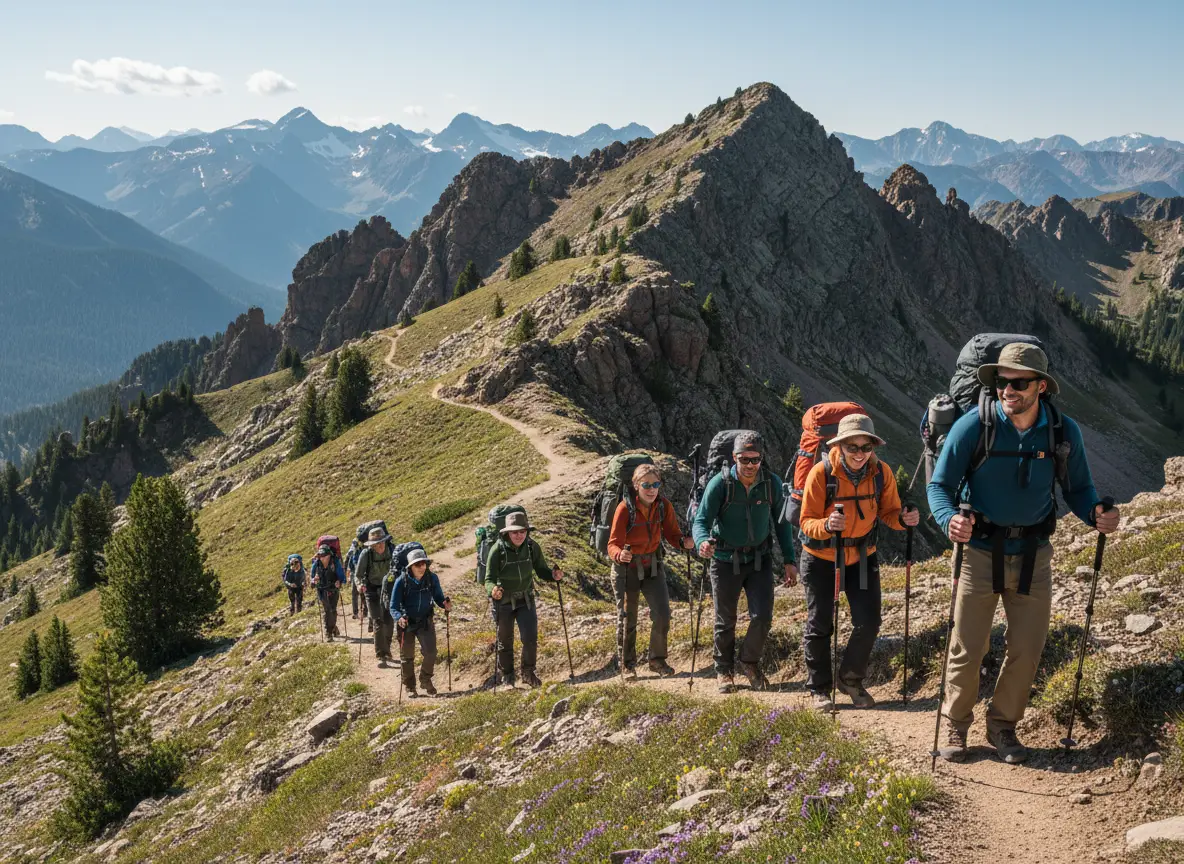
Why the Right Hiking Outfit Matters
Wearing the right clothing and using reliable gear can make the difference between an unforgettable hike and an uncomfortable slog. The best hiking outfits for both men and women balance comfort, safety, and style, while adapting to changing weather and terrain.

Key Principles for Hiking Clothing
- Layer up: Use a base layer, mid layer, and outer layer so you can adjust as temperatures change.
- Avoid cotton: Cotton holds moisture and can make you cold. Choose synthetic or merino wool instead.
- Prioritize fit and mobility: Your clothing should allow a full range of motion without chafing.
- Protect from the sun: Look for UPF-rated fabrics, hats, and sunglasses.
- Think about weather: Check the forecast and prepare for wind, rain, or temperature drops.
Essential Layers for Men and Women

Base Layer (Next to Skin)
The base layer manages moisture and helps regulate body temperature.
- Materials: Lightweight merino wool or synthetic blends that wick sweat.
- Tops: Short- or long-sleeve tees with flat seams to prevent chafing.
- Bottoms: Moisture-wicking underwear and, in cooler weather, long underwear leggings.
Mid Layer (Insulation)
The mid layer traps warmth. You can add or remove it as conditions change.
- Options for men and women: Fleece jackets, lightweight puffer jackets, or merino sweaters.
- Fit tip: Slim enough to layer under a shell but roomy enough for comfortable movement.
Outer Layer (Protection)
The outer layer shields you from wind, rain, and snow.
- Waterproof or water-resistant shell: Look for breathable fabrics and adjustable hoods.
- Windbreaker: Great for dry, breezy days when you just need wind protection.
Hiking Bottoms for Men and Women

- Hiking pants: Durable, quick-drying, and often with stretch. Convertible pants (that zip off into shorts) are handy for variable temps.
- Shorts: Ideal for warm weather; choose options with a comfortable waistband and pockets.
- Leggings and tights (especially popular for women): Look for thicker, abrasion-resistant hiking or athletic leggings with pockets.
Footwear: Boots, Shoes, and Socks

Your feet do the hard work on the trail, so it’s worth investing in quality footwear.
- Hiking boots: Offer ankle support and good traction for rocky or uneven terrain.
- Hiking shoes or trail runners: Lighter and more flexible, great for well-maintained trails.
- Socks: Wool or synthetic hiking socks help prevent blisters and keep feet dry. Avoid cotton.
Gender-Specific Fit Considerations

For Men
- Look for pants and shorts with a gusseted crotch and articulated knees for better movement.
- Choose shirts that are long enough not to ride up under a backpack hip belt.
- Test the fit of hiking boots with the socks you plan to wear on the trail.
For Women
- Opt for hiking pants, shorts, or leggings tailored to your hip and waist proportions for comfort and mobility.
- Wear a supportive, moisture-wicking sports bra designed for your activity level.
- Consider women-specific backpacks and boots, which often have narrower fits and different shaping for better comfort.
Must-Have Hiking Gear
- Backpack: Daypacks (10–30 liters) for short hikes; larger packs for overnights.
- Hydration: Water bottles or a hydration bladder, plus a water filter or purification tablets for longer trips.
- Navigation: Map and compass, GPS device, or navigation app with offline maps.
- Safety essentials: First aid kit, whistle, multi-tool or knife, headlamp with extra batteries.
- Sun protection: Hat, sunglasses, and sunscreen.
- Trekking poles: Helpful for steep ascents/descents and reducing pressure on knees.
Accessories to Complete Your Hiking Outfit

- Hats and buffs: Caps for sun, beanies for cold, and neck gaiters or buffs for versatility.
- Gloves: Lightweight liner gloves for cool weather or insulated gloves for cold conditions.
- Gaiters: Keep debris, mud, and snow out of your boots.
- Rain cover: For your pack to protect gear in sudden showers.
Sample Hiking Outfit Ideas
Warm-Weather Day Hike (Men & Women)
- Moisture-wicking short-sleeve shirt
- Lightweight hiking shorts or breathable pants
- Trail runners or lightweight hiking shoes with wool socks
- Sun hat, sunglasses, and light buff
- Small daypack with water, snacks, and essentials
Cool-Weather or Mountain Hike (Men & Women)
- Long-sleeve base layer (synthetic or merino)
- Fleece or light insulated jacket as mid layer
- Softshell or waterproof shell jacket
- Hiking pants or leggings with good mobility
- Hiking boots, wool socks, and optional gaiters
- Beanie, gloves, and a warmer buff or neck gaiter
Final Tips
- Break in new boots or shoes before a big hike.
- Test your outfit on a short walk to identify any rubbing or discomfort.
- Pack an extra layer and spare socks in case weather or conditions change.
- Choose colors and styles you feel good in—confidence and comfort go hand in hand on the trail.
With the right outfits and gear, both men and women can enjoy hiking safely and comfortably while feeling prepared for whatever the trail brings.
This are the “Go-to checklist” or Essential must have Gear and what to wear in the Hiking trail for both Men and Women that I think every hiker or if you are planning to do a simple hike as an exercise routine for safety and comfortable feeling while in the trail.
Send me an email or comment for any questions. Thank you!
Leave a Reply