
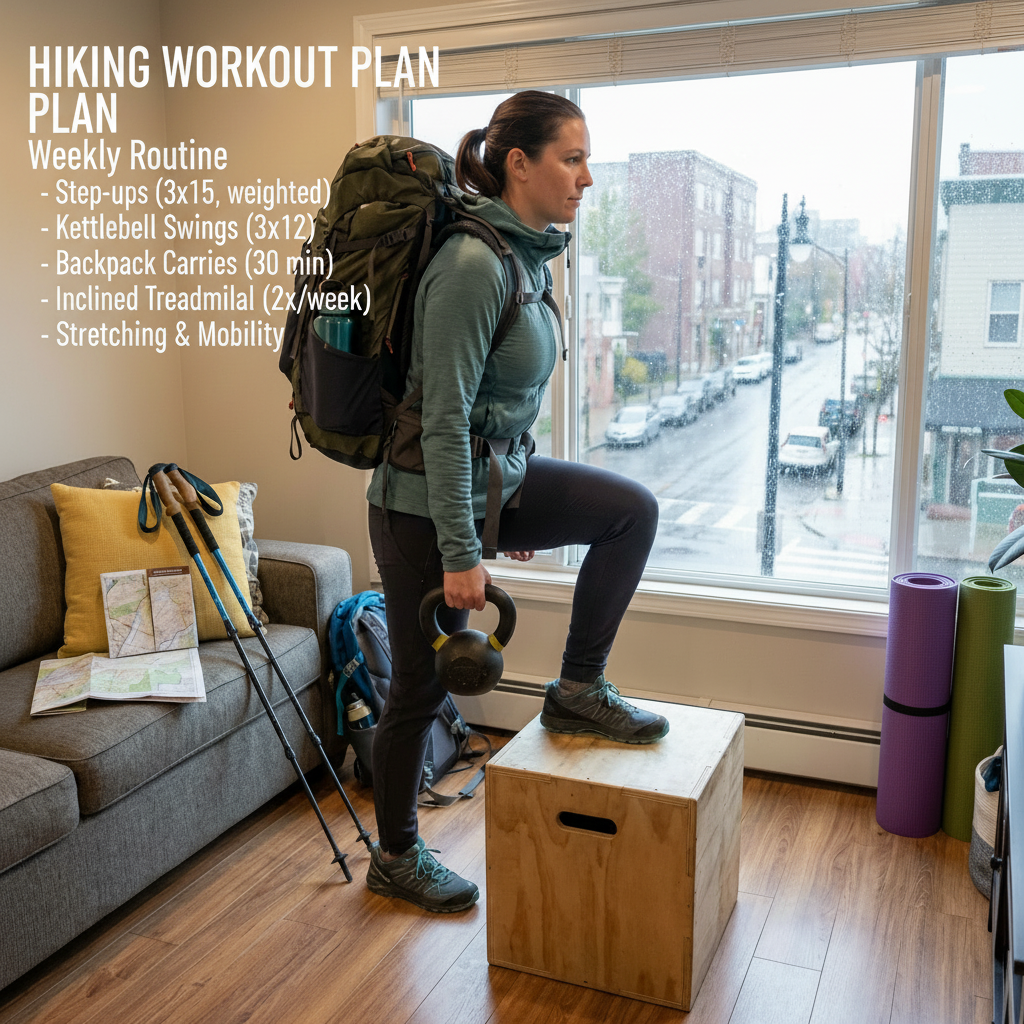
A practical guide to training your body for tougher climbs and longer days.

Staying strong and finishing long hikes without the risk of injury starts with a smart training plan. Powering your hikes requires a combination of strength, mobility, and recovery — and the most important pillar is strength training. It plays a vital role in preparing hikers for the physical demands of the trail, helping to build muscular endurance, stability, and resilience under load. Developing strong legs, hips, core, and upper body improves balance on uneven terrain, enhances uphill power, and reduces fatigue during long descents.
Why Strength Training Matters for Hikers
Equally important is mobility and recovery work, which maintains joint flexibility, corrects muscle imbalances, and lowers the risk of overuse injuries. Incorporating stretching, foam rolling, and active recovery days into a structured training plan allows the body to adapt and rebuild stronger. A well-designed program that combines progressive strength workouts with dedicated mobility and recovery sessions ensures hikers stay injury-free, perform efficiently, and confidently handle challenging terrain — so you can finish strong, every time.
Want to fuel your hikes the right way too? Read our guide on Top Hiking Foods for Energy and Endurance.
Simple Weekly Workout Routine for Hikers
Follow this simple 3x weekly routine to build the strength, mobility, and recovery habits that will power your hikes — whether you’re taking a short trail or a long multi-day trek.
- Step-ups — 3 sets of 15 reps
- Kettlebell swings — 3 sets of 12 to 15 reps
- Weighted backpack walks — carry a pack at a weight you can handle comfortably
- Inclined treadmill walking — 2x per week to simulate uphill terrain
- Stretching and mobility exercises — focus on hamstrings and quadriceps stretches
Watch: Hiker Strength Training in Action
Check out this workout video for a visual guide to trail-ready strength training:
Follow Lilly’s Corner on YouTube for more hiking fitness tips and outdoor lifestyle content: youtube.com/@lilly24241
Leave a Reply