
⚠️ Affiliate disclosure: This post contains affiliate links. If you purchase through these links, Lilly’s Corner may earn a small commission at no extra cost to you. We only recommend gear we’d actually use on the trail.
Starting out in hiking and backpacking can feel overwhelming. The gear world is full of jargon, mile-long checklists, and products at every price point — from $20 to $600 — with everyone online claiming their pick is the best beginner hiking gear on the market.
This guide cuts through the noise. Below you’ll find the truly essential hiking gear for beginners, with both budget and mid-range picks available on Amazon, and — just as importantly — a list of what not to buy on your first trip.
Before you buy: Start with what you have. Many beginners over-buy before their first hike. Get the safety essentials first, then upgrade as you discover what you actually need on the trail.
In This Guide
- Hiking Boots or Trail Runners
- Daypack or Backpack
- Water Bottle & Filter
- Navigation (Map, Compass & GPS)
- Layering System (Clothing)
- First Aid Kit
- Headlamp
- Shelter (for Backpacking)
- What NOT to Buy — Beginner Gear Mistakes
The Best Hiking Gear for Beginners
These eight categories cover everything you need for a safe day hike — and most of what you need to spend your first night in the backcountry. We’ve listed both a budget pick and a mid-range pick for each, so you can choose based on how serious you plan to get.
🥾 1. Hiking Boots or Trail Runners
Your most important piece of hiking gear. Proper footwear prevents blisters, ankle rolls, and fatigue on uneven terrain. Look for waterproofing (Gore-Tex), ankle support, and a sticky rubber outsole. Trail runners are lighter; boots offer more support for heavy loads.
Budget pick ($60–80): Columbia Newton Ridge Plus II
👉 View on Amazon ↗
Mid-range pick ($120–150): Merrell Moab 3 Waterproof
👉 View on Amazon ↗
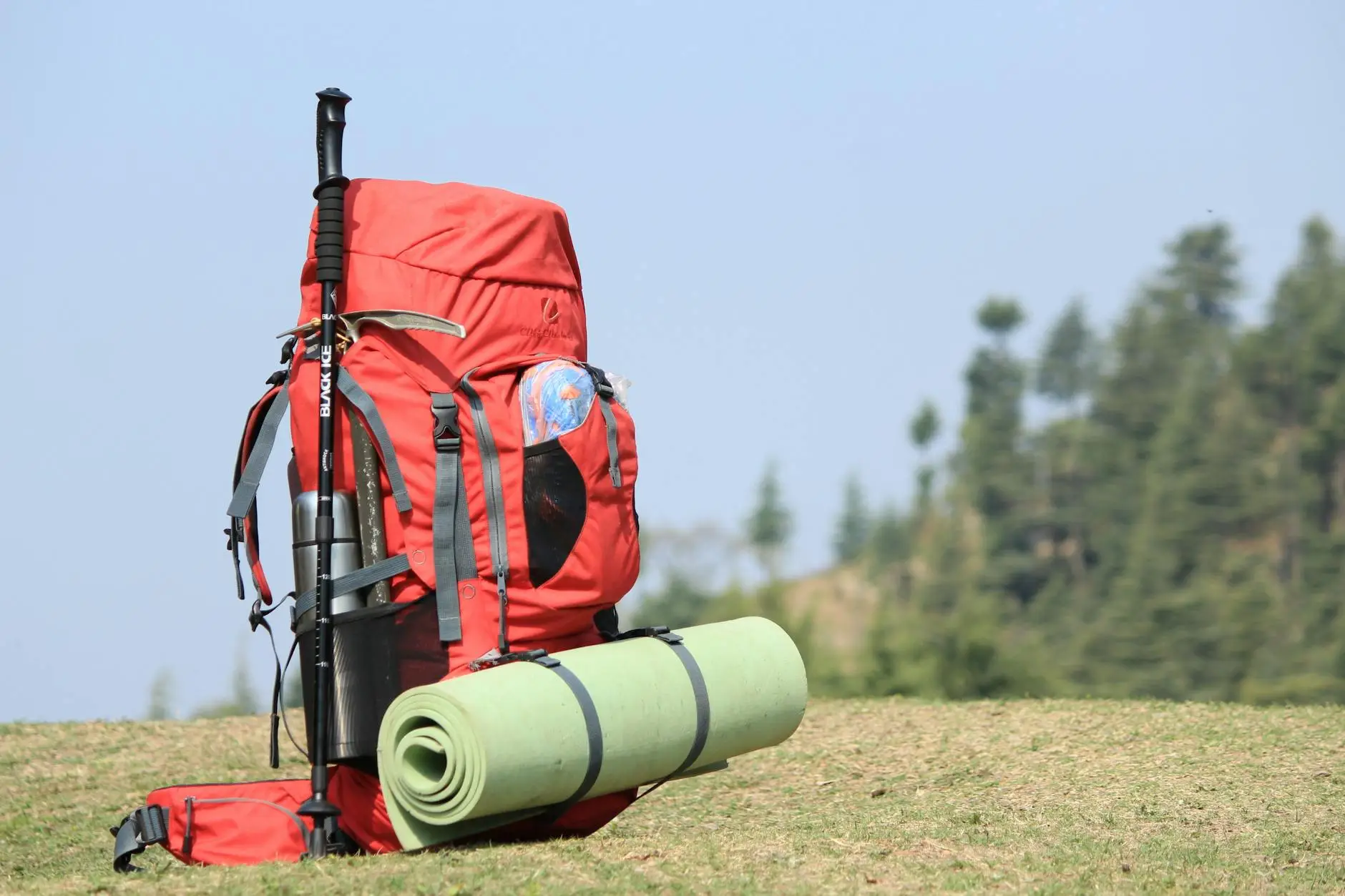
🎒 2. Daypack or Backpack
For day hikes, a 20–30L pack is ideal. For overnight backpacking, go 40–60L. A proper pack distributes weight across your hips — not your shoulders — which is the difference between a great hike and a miserable one. Look for a padded hip belt and back ventilation.
Budget pick ($40–60): Teton Sports Scout 3400
👉 View on Amazon ↗
Mid-range pick ($100–140): Osprey Talon 22 Daypack
👉 View on Amazon ↗
💧 3. Water Bottle & Filter
Dehydration is the number one cause of trail emergencies. Bring at least 2 liters per person for a day hike. A water filter lets you refill from streams safely — an essential piece of backpacking gear that could save your life on multi-day trips.
Budget pick ($20–25): Sawyer Squeeze Water Filter
👉 View on Amazon ↗
Mid-range pick ($45–55): Katadyn BeFree 1.0L Filter Bottle
👉 View on Amazon ↗
🧭 4. Navigation (Map, Compass & GPS)
Cell service disappears in the backcountry. A paper map of your trail plus a baseplate compass is your most reliable navigation tool — no batteries required. For serious hikers, a GPS device or satellite communicator adds a powerful safety layer.
Budget pick ($15–25): Suunto A-10 Compass (+ download AllTrails offline maps)
👉 View on Amazon ↗
Mid-range pick ($250–350): Garmin inReach Mini 2 (GPS + satellite messenger)
👉 View on Amazon ↗
🧥 5. Layering System (Clothing)
Mountains create their own weather fast. The three-layer system — moisture-wicking base layer, insulating mid layer, and waterproof shell — lets you regulate body temperature in any condition. This is one of the most critical systems in your beginner hiking gear kit.
Budget pick ($30–50): Moisture-wicking synthetic base layer
👉 View on Amazon ↗
Mid-range pick ($80–120): Columbia Silver Ridge Convertible Pants + rain jacket
👉 View on Amazon ↗
🩹 6. First Aid Kit
Blisters, cuts, twisted ankles — things happen on the trail. A compact kit with blister bandages, moleskin, antiseptic wipes, ibuprofen, and a SAM splint covers 95% of common trail injuries. Never leave the trailhead without one.
Budget pick ($20–30): Adventure Medical Kits Ultralight .7
👉 View on Amazon ↗
Mid-range pick ($50–70): MyMedic Solo First Aid Kit
👉 View on Amazon ↗
🔦 7. Headlamp
Even day hikers get caught in the dark — a longer route, a sprained ankle, or losing track of time. A headlamp weighs just a few ounces, keeps your hands free for scrambling, and is one of the most inexpensive yet critical pieces of safety gear you can carry.
Budget pick ($20–35): Black Diamond Spot 400-R Rechargeable
👉 View on Amazon ↗
🏕️ 8. Shelter (for Backpacking)
For overnight trips, shelter is non-negotiable. A 3-season tent handles rain, wind, and temperatures down to freezing — covering nearly every beginner backpacking scenario. Look for “double-wall” construction to keep condensation off your sleeping bag.
Budget pick ($60–100): ALPS Mountaineering Lynx 1-Person Tent
👉 View on Amazon ↗
Mid-range pick ($200–350): REI Co-op Passage 2 Tent
👉 View on Amazon ↗
What NOT to Buy — Common Beginner Hiking Gear Mistakes
Gear stores and algorithm-driven Amazon ads love to upsell beginners. Here are the most common money-wasting mistakes — and what to do instead. Avoiding these alone could save you $300 or more before your first hike.
The golden rule: if you’re not sure you need it, you probably don’t — yet. Start light, hike often, and let the trail tell you what’s missing.
❌ Ultra-expensive technical gear before your first hike
Spending $600 on a pack or $400 on boots before you’ve done a single overnight trip is one of the most common beginner hiking mistakes. You don’t yet know your fit preferences, terrain needs, or how committed you’ll be to the hobby. Do this instead: Buy mid-range for your first season. Upgrade only the gear that actually bothered you after real trail time.
❌ A full camp kitchen setup
Cast iron pans, Dutch ovens, full cookware sets — all brutally heavy and completely unnecessary on the trail. Most beginners buy them, carry them once, and leave them in the car forever. Do this instead: A single lightweight titanium pot and a Jetboil or BRS-3000T stove covers 99% of all trail cooking.
❌ A 4-season tent for your first trip
Four-season tents are engineered for alpine winter expeditions. They’re heavy, expensive ($400–$900+), and complete overkill for beginner backpacking — even in cold weather or rain. Do this instead: A quality 3-season tent handles rain, wind, and near-freezing temps. That covers almost every beginner trip you’ll take.
❌ Cotton clothing
“Cotton kills” is a real saying in hiking culture — and it’s earned. Cotton absorbs moisture, dries slowly, and loses all insulating ability when wet. On cold or rainy mountain days, this is a genuine hypothermia risk even in summer. Do this instead: Wear merino wool or synthetic fabrics for every layer. They wick sweat, dry fast, and keep you warm even when damp.
❌ Giant multi-tools and survival kits
Those massive 42-in-1 survival kits on Amazon look satisfying but add a pound of tools you’ll never touch. Do this instead: A small knife, a lighter, and a whistle. That’s your survival kit for day hikes. Add a compact Leatherman for overnight trips.
❌ Buying hiking boots without trying them first
Hiking boots are the one piece of beginner hiking gear where fit is everything — and everyone’s feet are different. Buying based on reviews alone without trying them on is how you end up with blisters on mile 2. Do this instead: Try boots on at a local REI or outdoors store. Then buy the exact model and size on Amazon if the price is better.
❌ Scented toiletries and products
Strong scents attract wildlife — especially bears. Many beginners pack their regular shampoo and body wash without realizing the risk. Do this instead: Use unscented, biodegradable soap (Dr. Bronner’s is a trail staple) and store all scented items in a bear canister or hang bag.
❌ Relying on your phone as your only navigation
Phones die. Batteries drain twice as fast in cold. Cell service disappears. Dozens of hikers get lost every season because their phone died and they had no backup plan. Do this instead: Download offline maps on AllTrails or Gaia GPS, carry a paper map of your specific trail, and pack a small power bank.
Ready to Hit the Trail?
Start with the basics — boots, a pack, water, and navigation. The rest you’ll discover as you go. Every experienced hiker started exactly where you are now.
👉 Shop All Beginner Hiking Picks on Amazon ↗
Have a question about any of these picks? Drop it in the comments — happy to help you find the right gear for your first hike!
Leave a Reply