
⚠️ Affiliate Disclosure: This post contains affiliate links. If you click and make a purchase, Lilly’s Corner may earn a small commission at no extra cost to you. We only recommend products we genuinely believe in and think you’ll love on the trail. Thank you for supporting this blog! 🧡
Age is just a number — especially on the trail. More adults over 55 are lacing up their hiking boots than ever before, and for good reason. Hiking is one of the best forms of exercise for older adults: it’s low-impact, adaptable to any fitness level, free, and it connects you with nature in a way that’s genuinely good for both body and mind.
But hiking over 55 does come with some important considerations. Your body has changed, and training smarter — not harder — is the key to staying safe, strong, and active on the trails for decades to come.
This guide covers everything you need to know: the do’s and don’ts for hiking over 55, how to train safely, what gear to carry, and how to keep the adventure going for years to come. 🥾
Why Hiking Is One of the Best Exercises for Adults Over 55
Before we get into the do’s and don’ts, let’s talk about why hiking is so powerful for active adults:
- 🦴 Bone density: Weight-bearing exercise like hiking helps maintain and even improve bone density, reducing osteoporosis risk
- 💪 Muscle strength: Hiking strengthens legs, glutes, core, and stabilizing muscles that protect joints
- ❤️ Heart health: Regular hiking lowers blood pressure, improves cholesterol, and reduces cardiovascular disease risk
- 🧠 Mental health: Time in nature reduces cortisol levels, improves mood, and has been linked to reduced risk of depression and cognitive decline
- 🤝 Balance & coordination: Navigating uneven terrain naturally improves balance and proprioception — crucial for fall prevention
- 🛌 Sleep quality: Physical activity outdoors consistently improves sleep quality in older adults
Simply put: hiking is medicine. And the good news is, it’s never too late to start. 🌱
✅ The DO’S of Hiking Over 55
✅ DO: Get Medical Clearance First
Before starting or significantly increasing your hiking activity, check in with your doctor — especially if you have any heart conditions, joint issues, diabetes, or take medications that affect heart rate or hydration. A quick check-up can prevent serious problems on the trail and give you confidence to push your limits safely.
✅ DO: Start Slow and Build Gradually
One of the biggest mistakes active adults make is trying to do too much too soon. Start with flat, well-maintained trails of 2–3 miles and build up distance and elevation gradually — no more than a 10% increase in weekly mileage. Your cardiovascular system and joints need time to adapt, and that’s perfectly normal.
✅ DO: Invest in the Right Footwear
Proper hiking boots are non-negotiable at any age — but especially over 55. Your feet need extra cushioning, ankle support, and a grippy sole to navigate uneven terrain safely. Look for boots with good arch support, waterproofing, and a wide toe box to accommodate any foot changes that come with age.
🛒 Top picks on Amazon:
- Merrell Moab 3 Waterproof Hiking Boots — 👉 View on Amazon ↗
- New Balance 1540v3 Trail Shoes (extra wide, excellent support) — 👉 View on Amazon ↗
- Wool hiking socks to prevent blisters — 👉 View on Amazon ↗
✅ DO: Use Trekking Poles
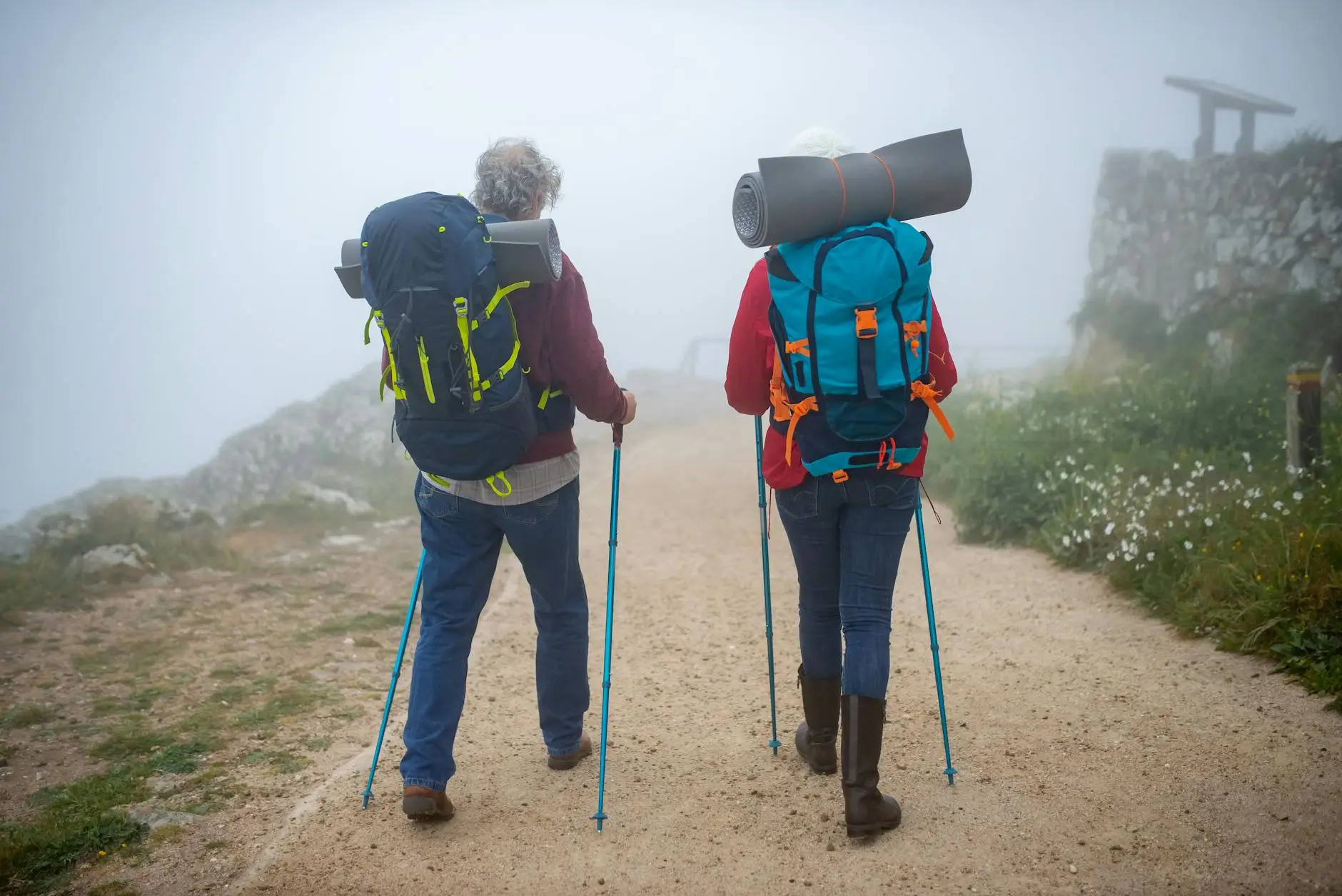
Trekking poles are a game-changer for hikers over 55. They reduce knee stress by up to 25% on descents, improve balance on uneven terrain, engage your upper body for a more complete workout, and give you confidence on technical sections. If you haven’t tried them, start now — you won’t go back.
🛒 Top picks on Amazon:
- Black Diamond Trail Trekking Poles — 👉 View on Amazon ↗
- Leki Makalu Lite Cor-Tec Trekking Poles — 👉 View on Amazon ↗
✅ DO: Hydrate More Than You Think You Need To
As we age, our sense of thirst becomes less reliable — meaning you can become significantly dehydrated before you even feel thirsty. Older adults are at higher risk for heat exhaustion and dehydration on the trail. Drink at least 0.5 liters per hour of hiking, and more in hot weather or at altitude. Don’t wait until you’re thirsty.
🛒 Hydration gear on Amazon:
- Hydration backpack with 2L water reservoir — 👉 View on Amazon ↗
- Electrolyte powder packets for trail hydration — 👉 View on Amazon ↗
- Insulated water bottle for hiking — 👉 View on Amazon ↗
✅ DO: Warm Up Before and Stretch After
Cold muscles are injury-prone muscles. Spend 5–10 minutes before hitting the trail doing light walking and dynamic stretches — leg swings, hip circles, calf raises, and gentle squats. After your hike, spend 10 minutes stretching your hip flexors, quads, hamstrings, and calves while your muscles are still warm.
✅ DO: Hike With a Buddy or Tell Someone Your Plans
Never hike alone without telling someone your planned route, trailhead location, and expected return time. Better yet, hike with a friend or join a local hiking group. Many communities have hiking clubs specifically for adults 55+ — a great way to stay social, motivated, and safe on the trail.
✅ DO: Carry a Basic Safety Kit
Even on well-marked trails, things can go wrong. Always carry the basics: a first aid kit, a charged cell phone, a map or downloaded offline trail app, a whistle, a headlamp, and an emergency mylar blanket. These items weigh almost nothing but can save your life.
🛒 Safety essentials on Amazon:
- Compact first aid kit for hiking — 👉 View on Amazon ↗
- Rechargeable LED headlamp — 👉 View on Amazon ↗
- Emergency mylar survival blanket — 👉 View on Amazon ↗
- Loud safety whistle for trail emergencies — 👉 View on Amazon ↗
❌ The DON’TS of Hiking Over 55
❌ DON’T: Ignore Pain or Push Through Joint Discomfort
There’s a difference between the healthy discomfort of effort and the warning signal of pain. Sharp pain in your knees, hips, ankles, or back is your body telling you to stop. Pushing through joint pain can turn a minor issue into a serious injury that sidelines you for months. Listen to your body — it’s always right.
🛒 Joint support on Amazon:
- Knee compression sleeves for hiking support — 👉 View on Amazon ↗
- Ankle brace support for uneven terrain — 👉 View on Amazon ↗
❌ DON’T: Skip Rest Days
Recovery takes longer as we age — that’s simply biology. After a challenging hike, your muscles, joints, and connective tissue need more time to repair than they did at 30. Schedule at least one full rest day between strenuous hikes, and use active recovery days for gentle walking, yoga, or swimming instead.
❌ DON’T: Hike in Extreme Heat Without Extra Precautions
Older adults are significantly more vulnerable to heat exhaustion and heat stroke. Avoid hiking between 10 AM and 2 PM in summer. Start early, seek shade, wear light-colored moisture-wicking clothing, apply SPF 50+ sunscreen, and watch for warning signs: dizziness, nausea, confusion, or stopping sweating.
🛒 Sun protection on Amazon:
- Wide-brim sun hat for hiking UV protection — 👉 View on Amazon ↗
- SPF 50 sunscreen for outdoor activities — 👉 View on Amazon ↗
- Moisture-wicking UPF 50+ hiking shirt — 👉 View on Amazon ↗
❌ DON’T: Choose Trails That Are Beyond Your Current Fitness Level
Ambition is wonderful — but overreaching on a trail can be dangerous when you’re miles from the trailhead. Always choose trails that match your current fitness level, not your aspirational one. Use trail apps like AllTrails to filter by difficulty, elevation gain, and distance before you go.
❌ DON’T: Neglect Strength Training Between Hikes
Hiking alone isn’t enough to keep your body trail-ready. Between hikes, incorporate strength training 2–3 times per week to build the muscle that protects your joints, improves your stability, and makes every hike feel easier. Focus on: squats, lunges, step-ups, calf raises, deadlifts, and core work.
🛒 Home strength training tools on Amazon:
- Adjustable dumbbells set for home training — 👉 View on Amazon ↗
- Resistance bands set for low-impact strength — 👉 View on Amazon ↗
- Foam roller for muscle recovery — 👉 View on Amazon ↗
❌ DON’T: Forget to Fuel Your Body on the Trail
Skipping snacks on the trail leads to energy crashes, reduced concentration, and increased injury risk. Eat a small snack every 60–90 minutes on hikes over 2 hours. Great trail snacks include: trail mix, energy bars, jerky, dried fruit, nut butter packets, and banana chips.
🛒 Trail nutrition on Amazon:
- Mixed nuts and trail mix variety pack — 👉 View on Amazon ↗
- Larabar or RX Bar healthy energy bars — 👉 View on Amazon ↗
Training Guide for Active Adults Over 55 💪
Want to build a body that thrives on the trail well into your 60s, 70s, and beyond? Here’s a simple, sustainable weekly training framework designed specifically for active adults over 55:
📅 Sample Weekly Training Plan
- Monday: 30–45 min brisk walk or light hike on flat terrain
- Tuesday: Strength training — squats, lunges, step-ups, resistance bands (30 min)
- Wednesday: Active recovery — gentle yoga, stretching, or swimming
- Thursday: Cardio — cycling, walking uphill on a treadmill, or stair climbing (30–40 min)
- Friday: Strength training — core work, deadlifts, calf raises, upper body (30 min)
- Saturday: Main hike of the week — choose a trail that challenges you without overwhelming you
- Sunday: Full rest or gentle stretching — let your body recover and rebuild
🌱 Key Training Principles for 55+
- Consistency over intensity: Showing up regularly matters far more than any single hard workout
- Progressive overload: Gradually increase distance, elevation, or pack weight — never all at once
- Balance training: Include single-leg exercises and balance drills to reduce fall risk on uneven terrain
- Flexibility work: Daily stretching keeps your joints mobile and reduces injury risk significantly
- Listen to your body: Modify or rest when needed — this is wisdom, not weakness
Must-Have Gear for Hikers Over 55 🎒
Having the right gear makes hiking safer, more comfortable, and more enjoyable. Here are the essentials every active adult hiker should carry:
- 🥾 Supportive hiking boots with ankle stability — 👉 View on Amazon ↗
- 🪤 Lightweight adjustable trekking poles — 👉 View on Amazon ↗
- 🎒 Lightweight 20–25L day hiking backpack — 👉 View on Amazon ↗
- 🧥 Moisture-wicking layering system — 👉 View on Amazon ↗
- 🗺️ GPS watch or trail navigation app — 👉 View on Amazon ↗
- 🩹 Blister prevention moleskin & foot care kit — 👉 View on Amazon ↗
Hiking Over 55: Quick Reference Checklist ✅
- ☐ Get medical clearance before starting
- ☐ Start with easy, flat trails and build up gradually
- ☐ Invest in proper hiking boots with ankle support
- ☐ Always use trekking poles
- ☐ Hydrate before you feel thirsty
- ☐ Warm up before and stretch after every hike
- ☐ Hike with a buddy or share your plans
- ☐ Carry a basic safety kit on every hike
- ☐ Listen to your body and rest when needed
- ☐ Strength train between hikes
- ☐ Protect yourself from sun and heat
- ☐ Fuel your body with trail snacks every 60–90 min
Final Thoughts 🌄
Hiking over 55 isn’t about slowing down — it’s about hiking smarter. With the right preparation, the right gear, and a training plan built for your body’s needs, the trail is yours to enjoy for as long as you want.
The mountains don’t care how old you are. They just care that you show up. 💪🌿
👉 Shop All Senior Hiking Gear on Amazon ↗
🥾 Ready to build your hiking stamina? Read our complete guide: How to Build Stamina for Hiking & Backpacking (+ Must-Have Gear for a Trail-Ready Hike) — the perfect next step in your hiking journey!
Are you an active adult hiker over 55? Share your favorite trail tip in the comments below — we’d love to hear from you! 💪🌲
Leave a Reply